How Lemon Vibrators Compare to Other Clitoral Toys
Suction beats vibration for some people, but the choice depends on your anatomy, sensitivity, and what you're actually after. Here's the honest breakdown.
There are basically four ways a toy can stimulate the clitoris: vibration, suction, air-pulse, and direct pressure. Lemon vibrators use suction. This single difference changes everything about how they feel, who they work for, and when you'd reach for one versus something else.
Most people assume all clitoral toys are vibrators. They aren't. And if you've tried a traditional vibrator that didn't work for you, that doesn't mean toys in general won't work. It might just mean you need a different mechanism entirely.
This is the largest category. Traditional vibrators buzz. They move back and forth or in circles at varying speeds. The stimulation is broad, mechanical, and creates sensation through movement against the skin.
What works: For people with lower sensitivity or those who need more direct, sustained pressure to orgasm. Vibrators are also cheaper to manufacture, so there's enormous variety in price, size, and intensity. If you want 47 different vibration patterns, they exist.
What doesn't work: For people with high sensitivity or those who find buzzing irritating. If you have vulvodynia, vaginismus, or other pain conditions, intense vibration can actually trigger tension rather than release. Some people report numbness after extended vibration use because the constant buzzing fatigues nerve endings. Vibrators also require more direct contact, which doesn't feel good for everyone.
Wands are a subset of vibrators, but they deserve their own space. Larger head, wider contact surface, usually more powerful motor. The Magic Wand changed the game because it proved that people wanted broad, sustained stimulation rather than pinpoint buzz.
What works: For people who want noticeable sensation without overthinking it. Wands are forgiving because the large head means you don't need surgical precision. They work on external stimulation primarily, so they're lower-pressure for partnered sex. Many people who thought they couldn't orgasm find they can with a wand.
What doesn't work: For travel, discretion, or sensitive tissue. Wands are loud and bulky. If vibration alone hasn't worked for you, a wand won't suddenly change that. Some people find them too intense on the clitoris itself, which is why positioning (stimulating around the clitoris rather than directly on it) becomes important.
These toys use gentle suction or air-pulse technology. A small opening creates a tiny vacuum that stimulates the clitoral area without touching it directly. Most are quieter than vibrators and feel fundamentally different.
What works: For people who've found vibration uncomfortable, numbing, or overstimulating. Air-pulse toys are particularly helpful for those with sensitive skin or pelvic floor tension. They also feel less clinical than traditional vibrators because the sensation is more diffuse. Many people report stronger, faster orgasms with air-pulse toys compared to vibration.
What doesn't work: For people with clitoral anatomy that makes vacuum sensation difficult (like a very prominent clitoris that sits far from the body). Some users report that the sensation takes time to adjust to, and impatience kills the experience. Air-pulse toys are usually pricier because the technology is more complex.
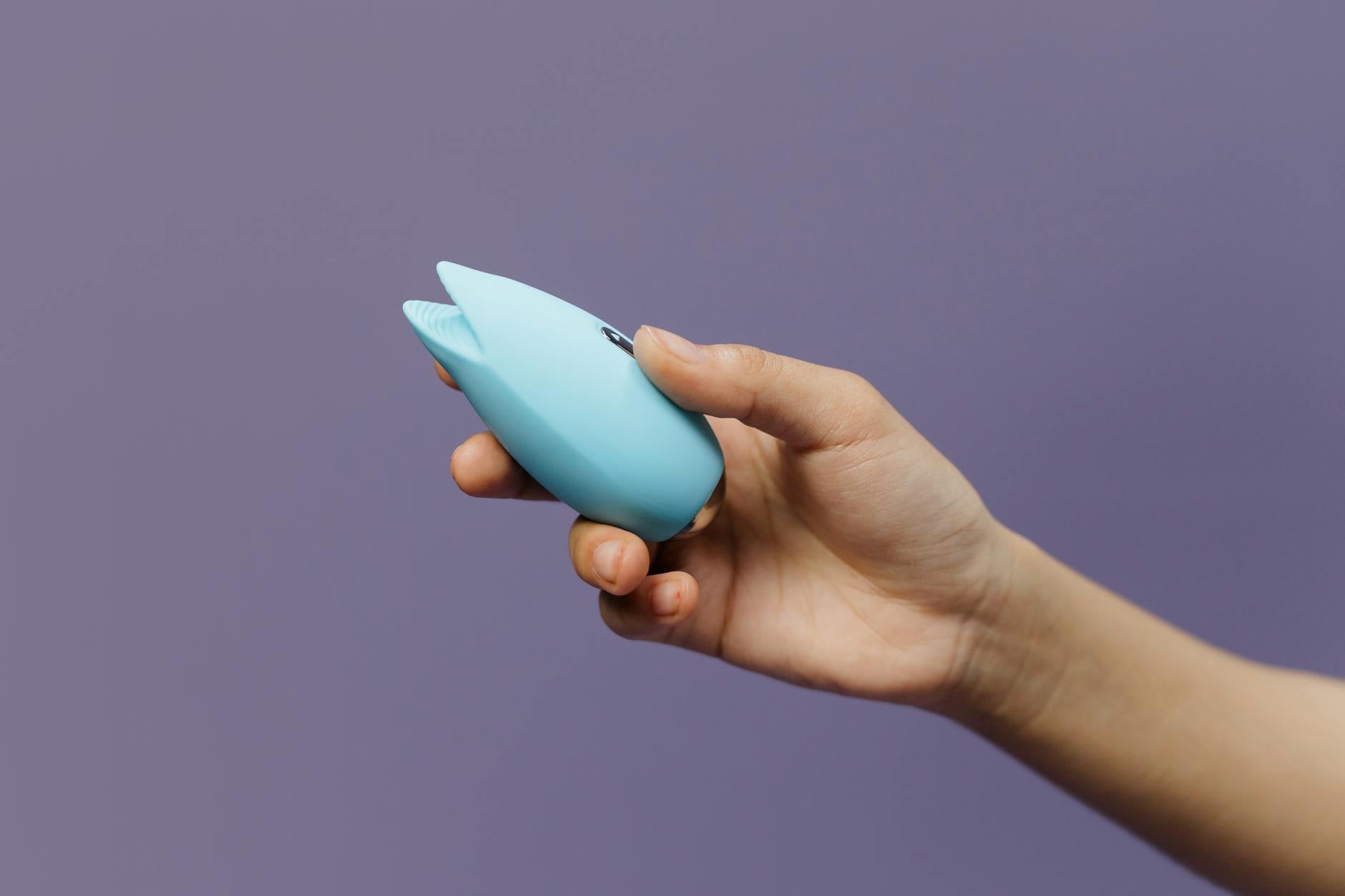
Lemon vibrators (the lemon sucker category) are air-pulse devices. They use suction, not vibration. This puts them firmly in the air-pulse family, and it means they work on a completely different principle than traditional vibrators.
How they work: The device creates a gentle suction around the clitoral area. You don't insert anything. There's no penetration required. The sensation is rhythmic pulses of air and suction. Most lemon clitoral vibrators have adjustable intensity levels, so you can start gentle and build.
Why the name: Because the design resembles a lemon (rounded, textured, citrus-yellow color). The "vibrator" label is technically a misnomer, but it's stuck because people search for them that way.
Who they're for: Lemon vibrators are exceptional for people who've struggled with traditional vibrators, people with sensitive tissue, people with vulvodynia or pelvic floor dysfunction, and people looking for a different sensation entirely. They're also surprisingly effective for people who've had difficulty reaching orgasm with a partner's touch alone.
Sensation. Vibration feels like buzzing or shaking. Suction feels like rhythmic pulsing or gentle pulling. Neither is objectively better. Your nervous system will have a preference.
Speed to orgasm. People report faster, more intense orgasms with suction. Why? Partly because the sensation is novel to your nervous system. Partly because suction stimulates differently than vibration. Many long-time vibrator users are shocked by how quickly they orgasm with a lemon sucker.
Tissue safety. Suction is gentler on delicate tissue because there's no direct mechanical pressure. For people with vulvodynia or post-menopausal thinning, this matters enormously. Lemon vibrators work particularly well for sensitive skin because they avoid the friction that causes irritation.
Noise. Lemon vibrators are quieter. Useful if discretion matters.
Intensity ceiling. Traditional vibrators can go very high intensity. Lemon vibrators max out lower, which is actually a feature for sensitive users but a drawback if you like maximum power.
Some toys are just solid silicone shapes you press against your body. No batteries, no vibration. Think jade eggs or stone wands. They work through pressure, temperature, and texture.
What works: For people who want zero electricity, absolute control, and incorporation into partnered play.
What doesn't work: For anyone wanting hands-free pleasure or climax with less effort.
If you're sensitive to vibration, numb easily, or find buzzing irritating, lemon vibrators and other air-pulse devices are worth trying before you assume toys won't work for you. The sensation is fundamentally different.
If you want power and range of intensity, traditional vibrators still own that space.
If you want simplicity and broad stimulation, a wand or clitoral vibrator is the most forgiving choice.
If you want discretion, silence, or something that feels very different from what you've tried, a lemon sucker is your answer.
Honestly, the best toy is the one that works for your body. And the only way to know that is to try something. This is why starting with one device, giving it real time, and not assuming failure after one session matters. Your nervous system needs time to learn how to respond to a new sensation.
If you're exploring clitoral vibrators for the first time, the comparison between air-pulse and traditional vibration might feel abstract. It becomes concrete once you try. Some bodies light up for suction. Some want buzz. Many of us want both, at different times.
The goal isn't to find the objectively "best" toy. The goal is to find what works for you. And sometimes that's only clear after you've ruled out what doesn't.
If traditional vibrators have felt too intense, numbing, or just plain uncomfortable, a lemon vibrator is worth testing. The suction sensation is so different that people who swear traditional vibrators don't work sometimes have breakthrough orgasms with air-pulse devices. You might also prefer a lemon sucker if you have vulvodynia, sensitive skin, or you're dealing with physical changes from menopause that make direct vibration uncomfortable.
Absolutely. Lemon vibrators are actually gentler than many first-toy choices. Start at the lowest intensity setting and spend time exploring what feels good. There's no rush. Your comfort and pleasure are the only goals here. Give yourself 15 to 20 minutes minimum to let the sensation build.
Generally yes. The technology is more complex and patents protect the design. However, you're paying for a fundamentally different mechanism, not just a luxury tax. If air-pulse turns out to be what your body actually needs, the investment pays for itself in pleasure and confidence.
Some couples find them incredibly useful during partnered sex. The external-only design means there's nothing inside you, so partners can still be involved. That said, some people find it harder to focus on both sensations at once. Communication with your partner about what you need and how the toy fits into your shared experience is everything.
Battery life is usually similar because the motors are less powerful. The devices themselves are built to the same standards, so durability is comparable. Proper care (cleaning, charging correctly, storing in a cool place) extends the life of any toy significantly.
Not necessarily. Many people love both for different reasons and different moments. A lemon vibrator isn't a replacement for everything else in your collection. It's an addition. You might reach for vibration when you want intensity and reach for suction when you want something different or when your body is too sensitive for buzz.
The toy landscape is bigger than vibration versus everything else. How you use lemon clitoral vibrators for beginners safely is a different conversation than which toy is objectively best. There is no objectively best. There's only what works for your body, your anatomy, your sensitivity, and your preferences.
If you're curious about trying something different, that curiosity is enough permission to explore. Start low. Go slow. Pay attention to what your body actually tells you, not what you think it should tell you.
Pleasure is too specific to your body for generic advice to be the final word. This comparison is just the starting point. Your actual experience will teach you far more than any article can.