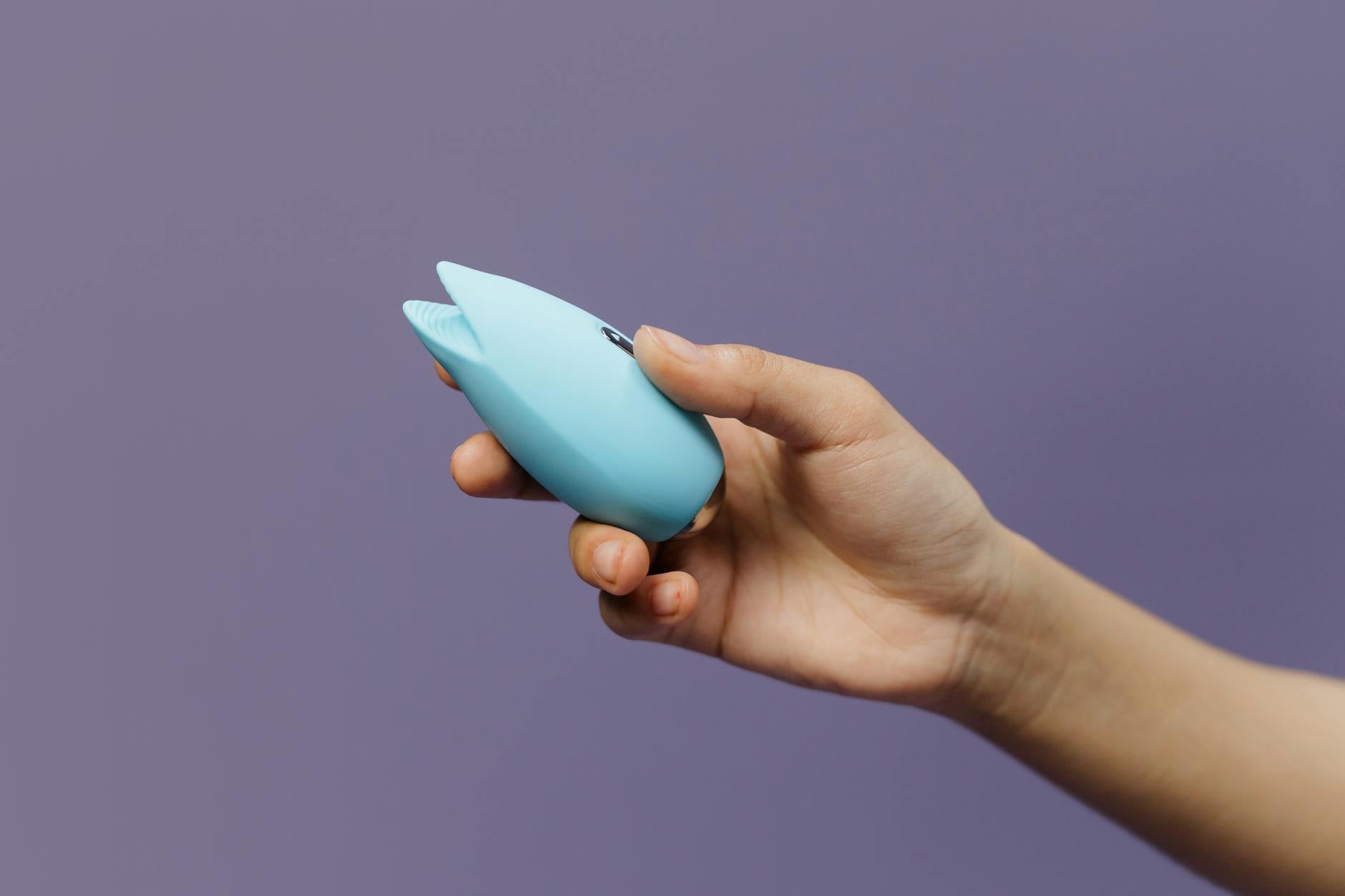
You quit your antidepressant. Maybe you tapered off slowly, maybe your doctor stopped it suddenly. Either way, you're waiting for your body to feel like itself again. But here's what nobody preps you for: the return of sexual sensation doesn't flip a switch. It's more like watching a dimmer slowly brighten. Some people feel it within weeks. Others take three, four, or six months. And in that in-between time, your old reliable tools might feel frustratingly useless.
Most SSRIs (selective serotonin reuptake inhibitors like sertraline, fluoxetine, paroxetine) work by increasing serotonin availability in your brain. That's great for mood stability. Less great for arousal, because serotonin and dopamine do opposite things in the sexual response system. Dopamine drives desire and sensation. Serotonin, in high concentrations, can dampen both.
The numbness isn't psychological. It's not you being broken or weird. It's chemical. Your genital tissues become less sensitive. Arousal takes longer to build. Orgasm requires more direct, sustained stimulation. Many people on SSRIs report they can still orgasm, but it's like reaching through a thick pane of glass to touch something on the other side.
When you quit, your dopamine doesn't immediately bounce back. Your brain is recalibrating. Your serotonin levels drop. Your receptor sensitivity shifts. That adjustment period is real, and it deserves a different approach than you might have used before.
Traditional vibrators work through rapid oscillation. They're wonderful, but they rely on sustained friction and direct pressure. If your sensation is still blunted, you might spend 40 minutes chasing an orgasm that isn't coming, which tanks motivation and confidence.
Lemon suction vibrators work differently. They use pulsing pressure and release cycles that stimulate nerves without requiring the same level of local sensation. A clitoral vibrator like the Lem doesn't rely on you feeling each individual vibration. It creates a broader stimulation pattern that your nervous system picks up on, even when sensitivity is still coming back online.
This matters because during the recalibration phase, your sensory threshold is higher but your capacity for pleasure is returning. Suction gives you a middle path. It's more efficient, less monotonous, and it doesn't require you to white-knuckle your way to an orgasm.
When you first quit, you might not feel much of anything for the first week or two. That's normal. Don't panic. Your nervous system is adjusting, and rushing into pleasure attempts usually backfires because it brings frustration rather than relaxation.
I usually recommend waiting two to three weeks after stopping before reintroducing vibrators. Use that time to reconnect with your body in non-sexual ways. Warm baths, stretching, massage, time in your body without the goal of reaching an orgasm. This sounds like wellness fluff, but it genuinely helps your nervous system settle.
Once sensation starts returning, you'll notice it. A touch that felt nothing now creates a small electric pulse. A warm shower feels different. That's your signal to try the Lem again, starting at the lowest setting.
Start with pattern one or two on the Lem. Let the sensation build slowly over five to ten minutes without rushing. The point isn't to orgasm. The point is to pay attention and notice what's coming back online.
Many people find that during early recovery, variety helps more than pressure. Switch between patterns. Try it externally first, then internally if that feels right. The pulsing suction creates novelty, which your brain responds to better than repetitive stimulation when sensation is returning.
Set a timer for fifteen minutes, no more. If nothing is happening at fifteen, stop. Not because something is wrong, but because your nervous system doesn't need to be pushed right now. Try again tomorrow. This is about retraining your body to recognize pleasure as it comes back, not forcing it back on a deadline.
Week three to four. You might feel tingling you hadn't felt before. Your clitoris might feel more defined, less numb. Some people describe it as pins and needles, which is fine. That's nerve endings waking up.
Week five to eight. Arousal starts happening faster. You might orgasm, or you might be close and then lose it. That's okay. Your nervous system is still learning. Keep using the Lem on low settings. Patience is the mechanic here, not force.
Week eight to twelve. Most people report noticeable return of sensation. Orgasms might feel different than they did before the medication. They might be softer, faster, more full-body, or localized. That's not worse. It's just different. Your body is discovering its new sexual baseline.
If three months pass and sensation hasn't meaningfully returned, check in with your prescribing doctor. Sometimes the issue is the taper speed, sometimes it's dosage, and sometimes it's worth revisiting whether the medication was actually causing the numbness or if other things are at play.
If you have a partner, tell them what's happening. Not "my body is broken." Something like: "My sensation is coming back slowly, and I'm using tools to help bridge that gap. I might not orgasm for a few weeks and that's okay. I'm working on it."
Lemon suction vibrators are actually easier to use during partner sex than traditional vibrators because they're compact and they don't require the same sustained pressure. You can use it yourself while your partner touches you elsewhere, which actually deepens connection rather than replacing it.
The worst thing partners do during this phase is try to help by doing more. More stimulation, more pressure, longer sessions. That usually backfires. What actually helps is consistency and patience. "We'll keep exploring. No deadline." That eases the pressure and often makes sensation return faster, paradoxically.
Even as sensation returns, lubrication helps. Water-based lubricant reduces friction and makes the Lem feel smoother, less jarring. Some people skip it thinking they need to "feel more," but that's backwards. Friction without pleasure sensation is just irritation. Lubrication is a tool for comfort, not a crutch.
Soft cotton underwear or nothing at all. If you're wearing restrictive clothing, your vulva isn't getting the signal it needs to warm up and engorge. Create physical and mental space for your body to recover.
If six weeks have passed and sensation hasn't returned at all, or if you're experiencing pain, dryness that lubricant doesn't help with, or burning sensations, call your doctor. Sometimes these are side effects of the tapering process itself. Sometimes they point to something unrelated to the medication. Either way, you deserve clarity.
If the numbness is paired with zero desire and that feels different from your baseline before medication, that's also worth discussing. Medication changes can occasionally unmask other things. Better to know.
It varies widely. Most people report noticeable improvement within four to eight weeks, but full recovery can take three to six months. Some experience return within days, others take longer. The key is that sensation returns gradually, not all at once. If you hit the three-month mark and nothing has shifted, that's worth discussing with your prescriber.
You can, but suction vibrators like the Lem are more efficient during this phase. They don't rely as heavily on local sensation, so you spend less time chasing an orgasm that won't come. Traditional vibrators aren't wrong, they're just more demanding when your nervous system is recalibrating.
Completely normal. Your serotonin is dropping, your dopamine is rising again, and your nerve endings are rebooting. The absence of sensation right now doesn't predict what will happen in week six. Give your body time.
Yes. Not as a secret or a workaround, but as part of the conversation about what your body needs right now. Many partners actually feel relieved to have something concrete to understand. "You're healing and using a tool to support that" is clearer and less lonely than silence.
That's actually common and usually fine. Your body's sexual response has recalibrated. Orgasms might be faster, slower, more diffuse, or more localized. It's not worse, it's just different. Give yourself permission to explore the new version without comparing it to the old one.
Absolutely. Water-based lubricant is your friend. It reduces friction, makes the sensation feel smoother, and takes pressure off your system. Lubricant isn't cheating or a sign something's wrong. It's part of supporting your body through a sensitive time.