How to Use Lemon Vibrators for Better Sensation When Touch Feels Numb During Grief
Grief doesn't just affect your emotions. It shuts down your body's ability to feel pleasure, connection, and even basic touch. Here's what's actually happening, and how to rebuild sensation.
Here's what nobody tells you about grief: it's not just an emotional state. It's a nervous system state. Your body goes into protective mode, numbs sensation, tightens muscles, and essentially says "I'm not available for feeling right now." That's adaptive when you're in acute crisis. But if you're weeks or months into grief and still feeling like you're touching yourself through several layers of plastic wrap, that's your body stuck in survival mode.
This numbness extends to pleasure, to sex, to any form of sensation that feels "frivolous" when you're grieving. Many people describe it as a complete disconnect from their body, as though they're watching themselves from outside, untouched and untouchable.
When you're grieving, your body floods with cortisol and adrenaline while dopamine and oxytocin drop. This isn't a choice or a sign you're doing grief wrong. It's your nervous system in a protective crouch. Blood flow moves toward your core and away from your extremities and pleasure-sensitive zones. Your brain deprioritizes sensation that isn't survival-focused.
At the same time, many grieving people experience a secondary effect: hypervigilance or dissociation. Some days you're too alert to relax into pleasure. Other days you're so numb you could be touched with ice and barely register it.
What you're experiencing isn't broken pleasure. It's a normal neurological response to loss.
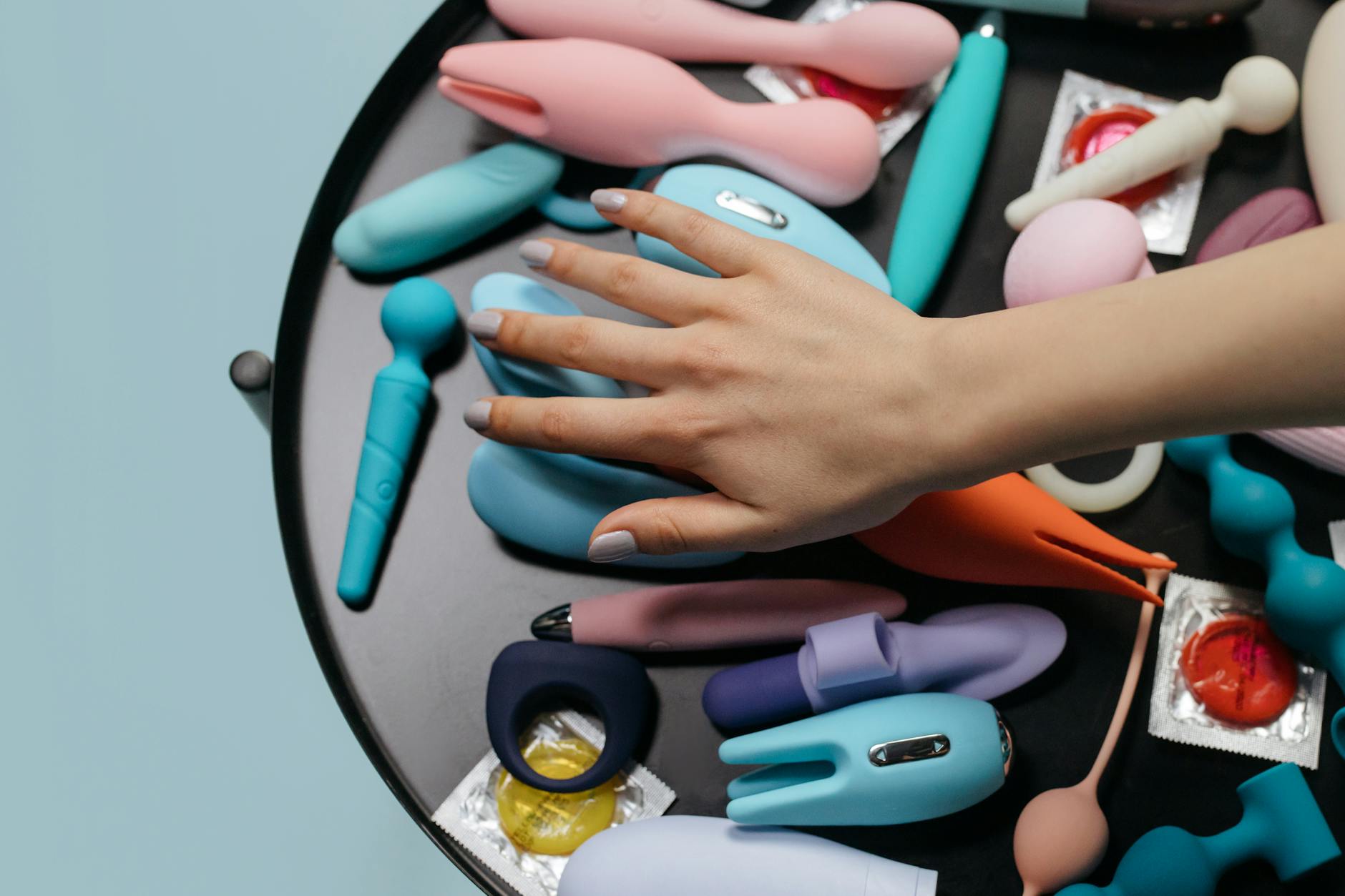
This is where lemon vibrators and clitoral suction toys become genuinely useful. Not as a fix, but as a way to wake your nervous system back up gradually.
Unlike vibration alone, which can feel jarring when you're already in a heightened state, suction stimulation on the clitoris is rhythmic and progressive. It builds slowly. Your body doesn't have to jump into arousal; it can ease into awareness. This matters for grieving people because you're not forcing pleasure. You're inviting your body back into sensation in a gentle, controllable way.
The Lem vibrator uses air-pulse technology that mimics the feeling of suction rather than rapid vibration. This creates a different pathway in your nervous system than traditional vibrators. Many people describe it as less intrusive, more exploratory.
If you're going to use a lemon clitoral vibrator during grief, here's what I recommend.
Start external and low pressure. Use the lowest setting on the Lem (or any lemon suction toy) and hold it away from your clitoris initially. Hover it over the surrounding tissue, your inner thighs, your labia. This teaches your nervous system that sensation is arriving without demanding an immediate response.
Build in 5-minute increments. Your goal is not to orgasm. Your goal is to notice. Spend 5 minutes just observing what sensation is possible. Tomorrow, maybe 7 minutes. You're not chasing pleasure. You're rebuilding the pathway between touch and feeling.
Use it in non-sexual contexts first. I know that sounds counterintuitive, but consider using a lemon vibrator while reading, listening to music, or sitting quietly. Your brain doesn't have the pressure of "this should lead somewhere." Sensation becomes its own point.
Expect an emotional release. As your nervous system wakes back up, emotions often flood in. You might cry, feel angry, or suddenly remember something you'd forgotten. This is actually good news. It means your body is no longer in complete lockdown.
There's a difference between grief-related numbness and dissociation. Numbness is "I can't feel." Dissociation is "I'm watching myself from outside my body."
If you're experiencing dissociation, gentle stimulation can help, but it's not the whole solution. You need grounding techniques first. Cold water on your wrists. Your feet on the ground. Speaking out loud. Then, once you're back in your body a bit, a lemon vibrator can help you stay there.
If dissociation is intense or frequent, talk to a therapist before using any form of stimulation. You're not broken. You just need support that's tailored to what your nervous system is doing.
Grief is a response to loss. Depression is a neurochemical state that can occur alongside grief or separately. If your numbness started after a loss and is slowly lifting (even on hard days, you notice moments of feeling), that's grief. If it's flatline, if nothing brings joy, if you've lost interest in things you used to love, and it's been months with no shift, that's depression, and it deserves professional support. These aren't mutually exclusive, and lemon vibrators won't treat depression. But they can support the process of waking up again once you're getting help.
If you have a partner, this is delicate. Your partner is probably also grieving (if the loss is shared) or watching you grieve. They might feel rejected or abandoned because you can't feel touch, can't want sex, can't engage physically. This creates a second layer of disconnection exactly when you need connection most.
Using a lemon clitoral vibrator alone first gives you a way to rebuild sensation without the pressure of someone watching or waiting for a response. Once you feel even small sparks of sensation returning, you can invite your partner into that discovery. "I'm trying to wake my body back up. Come sit with me while I explore this." It shifts the dynamic from "something is wrong with me sexually" to "I'm grieving and I'm finding my way back."
You're rebuilding sensation when you start noticing micro-moments of real feeling. Your breath catches. Your skin registers temperature. You feel want, even if it's small. You don't have to have a full orgasm or even strong pleasure. Noticing is the milestone.
You're likely ready to expand exploration when those moments start happening without planning them, when you reach for a lemon vibrator and feel curious rather than obligated.
If you're grieving a death, especially a recent one, toys are supplementary. Your real work is grief counseling, family support, sometimes medication. A lemon vibrator can help you reconnect with your body while you're doing the deeper work, but it can't replace it.
If your grief has tipped into complicated grief (where the intensity isn't easing after 6+ months) or depression, talk to a therapist or grief counselor. There's no shame in that. Your nervous system needs professional support sometimes, and that's not a failure.
Sensation is just one thread of healing. Your nervous system is also healing through community, rest, meaning-making, and time. A lemon clitoral vibrator is a small, supportive tool in that larger process.
Completely. Your body is in survival mode, your emotional energy is depleted, and sex often feels trivial or even offensive when you're grieving. This is not dysfunction. It's a normal protective response. Most people notice desire starting to return weeks or months later, though it rarely comes back suddenly. It usually whispers first.
Sometimes. Lemon vibrators and clitoral suction toys are gentler entry points than vibration, so some people find orgasm returns more easily with them than with other stimulation. But orgasm isn't the goal during grief. Sensation is. If orgasm returns, great. If it doesn't for a while, that's also fine. You're building capacity, not chasing an outcome.
There's no timeline. Acute numbness often eases in the first few weeks, but secondary numbness (where sensation is shut down even after emotions start processing) can last months. For some people, returning to physical sensation takes longer than returning to emotional feeling. This isn't linear, and every person and every loss is different.
Start alone. Give yourself permission to explore without an audience or pressure. Once you feel sensation returning and want to invite your partner, that becomes a conversation about reconnection rather than about you "performing" pleasure you don't feel. Many couples find that sharing this exploration becomes intimate in a different way during grief.
Yes. Absolutely. Pleasure is not disrespectful to loss. Your body needing sensation and connection doesn't mean you've stopped grieving. You can hold both. Sensation is part of being alive, and being alive while grieving is what we all have to do.
That's fine too. Sensation returning and desire returning are separate processes. You might feel your body waking up and still not want partnered sex, or want it less frequently, or want it differently. Let your body guide you without forcing narrative. Pleasure without obligation is the whole point.