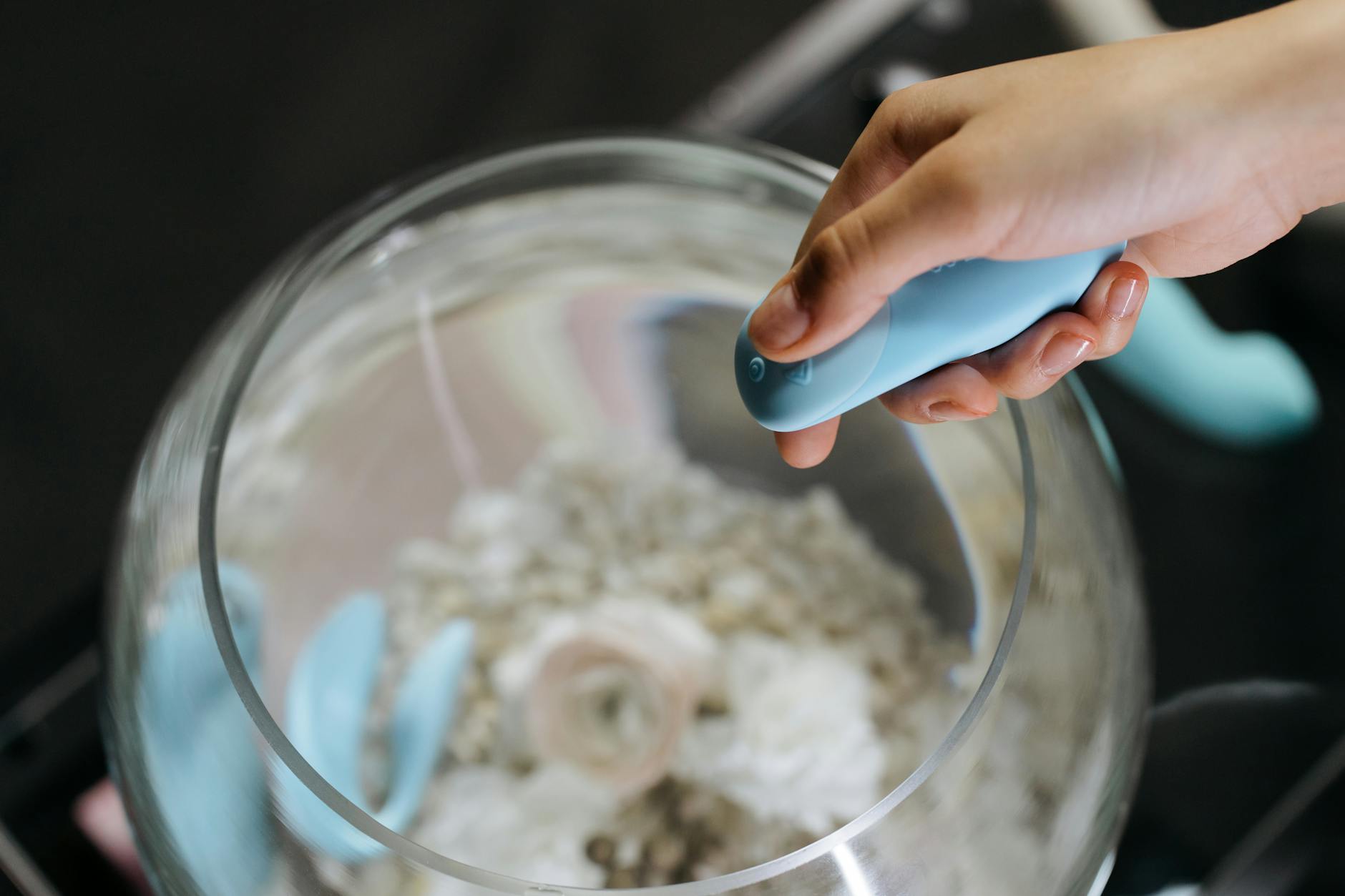
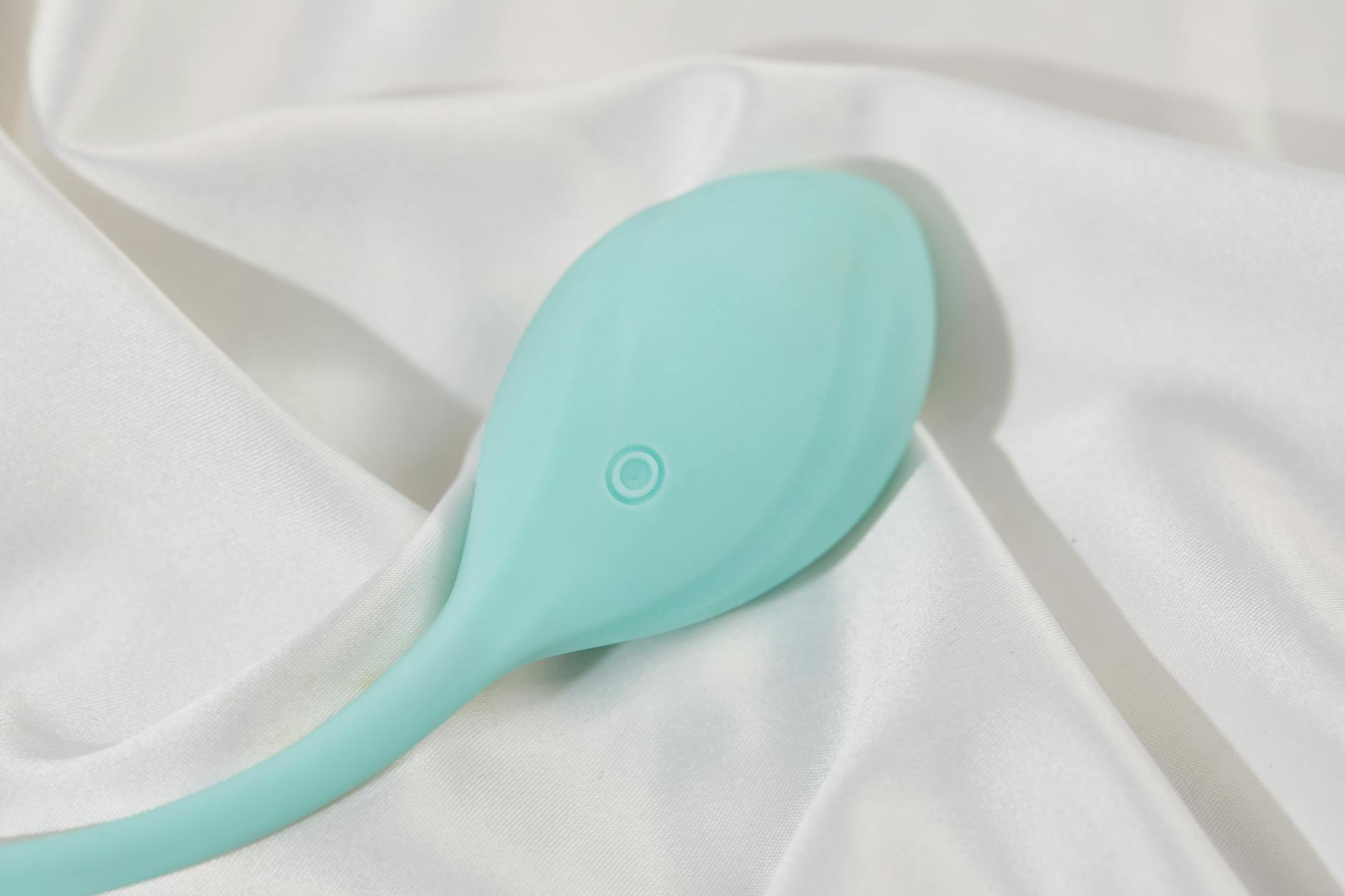
You buy a lemon vibrator, excited to finally try something that's supposed to feel amazing. You turn it on, position it, and... nothing. Or worse, it feels tense, almost painful. Your first thought: something's wrong with the toy. Your second thought: something's wrong with you. Neither is true.
Pelvic floor tension is one of the most overlooked reasons why clitoral vibrators don't feel good. It's not a personal failure. It's a physiological mismatch that you can absolutely fix.
Your pelvic floor is a hammock of muscles that supports your bladder, uterus, and bowel. It's supposed to contract and relax. But for a lot of people, especially those managing stress, trauma, chronic pain, or anxiety, these muscles stay clenched. Think of it like holding your jaw tight all day. The muscles never get to rest, so they're already contracted before any pleasure even enters the picture.
When your pelvic floor is tense and you try to use a lemon vibrator, you're basically trying to relax into something while simultaneously bracing against it. Your body wins that fight every time. The suction and vibration of devices like the Lem can feel invasive or painful instead of pleasurable.
The thing nobody tells you: this is fixable in weeks, not months.
Pelvic floor tension creates a nasty feedback loop. You try to use a lemon clitoral vibrator, it feels uncomfortable, so you tense up more. That tension makes the next attempt feel worse. After a few tries, you stop trying. Your brain learns: vibrators don't work for me.
But the vibrator isn't the problem. The tension is.
Here's what's happening neurologically. Arousal requires something called "parasympathetic activation." That's the rest-and-digest part of your nervous system. Pelvic floor tension is a sympathetic response (fight or flight). You literally cannot be in both states at once. So your body chooses fight, and pleasure gets sidelined.
Do this for 5-7 days before you try a lemon vibrator again. Seriously.
Day 1-3: Awareness without doing.
Spend 60-90 seconds a day noticing your pelvic floor. Lie down, hand on your lower belly. Breathe normally. Don't try to relax. Just notice if those muscles feel tight, numb, or neutral. That awareness alone starts the unwinding process.
Day 4-5: Reverse Kegels.
This is the opposite of what you've heard. Instead of clenching and releasing, you're learning to release. Here's how. Breathe in for four counts. On the exhale, gently push like you're trying (softly) to pee or poop. You should feel a gentle release in your pelvic floor. Not a major relaxation. Just a slight opening. Do this 10 times, twice a day. Stop if it hurts. Pain means you're doing it wrong.
Day 6-7: Add warmth and breath.
Take a warm bath. While you're in there, practice the reverse Kegels again. Warmth naturally relaxes muscles. Your pelvic floor will open more easily. This is also when you can gently massage the area between your vagina and anus (the perineum) with a warm finger. Light pressure only. You're not trying to fix anything. You're just introducing gentleness to a part of your body that's been holding tension.
Don't dive straight back in at full intensity. Here's the reintroduction path.
Step 1: External only, no insertion.
Hold your Lem vibrator (or another lemon clitoral vibrator) on the lowest setting. Bring it close to your vulva but don't turn it on yet. Just feel the weight and shape of the toy. Let your pelvic floor adjust to its presence. This takes maybe two minutes. Your nervous system is learning: this thing isn't a threat.
Step 2: Turn it on, lowest setting, external contact only.
Lightly touch the vibrator to your inner thigh or outer labia. The vibration is there, but you're not yet targeting your clitoris directly. Stay here for 5-10 minutes. The point isn't orgasm. The point is proving to your body that vibration plus relaxation is possible.
Step 3: Move toward your clitoris, still lowest pattern.
When you're ready, slowly move the vibrator toward your clitoris. Light contact. You're looking for a rhythm that feels like exploration, not invasion. If you notice your pelvic floor tightening (you'll feel it, a sudden clench), pause. Breathe. Release intentionally before continuing.
Step 4: Add depth over sessions, not within one session.
Don't jump from pattern 1 to pattern 6 in one go. Spend sessions practicing at each level. Three sessions at level 1. Then three at level 2. This isn't boring. This is building trust between your nervous system and pleasure.
Here's something I teach couples therapy clients that works equally well solo. Your breath controls your nervous system more reliably than anything else.
When you're using your lemon vibrator, breathe like this. Inhale for four counts. Hold for two. Exhale for six. That long exhale is key. It signals your body that you're safe. Your pelvic floor loosens.
If you catch yourself holding your breath, pause. That's your nervous system signaling tension. Take five conscious breaths before continuing.
When pelvic floor tension is present, friction feels sharper. Your tissues are already irritated from that constant muscular clench. Lubrication becomes not optional but essential.
Use a water-based lube generously. Not just a thin layer. Enough that the vibrator glides instead of grips. This removes one source of discomfort while you're teaching your pelvic floor to relax. Once your baseline tension drops, you might need less. But in the reset phase, abundance of lube is your friend.
Tension often shows up in specific situations. Maybe your pelvic floor is relaxed solo but tightens with a partner present. Maybe it's fine during the week but tense on weekends when you have mental bandwidth to think about sex.
Understand the context. If your tension is tied to anxiety around performance or partner judgment, that's the real issue to address. The lemon vibrator isn't the problem. Neither is your pelvic floor. It's the context creating the tension.
If you're working with a partner, tell them what's happening. Pelvic floor tension is not a libido problem. It's not rejection. It's a physiological reality that improves with patience and the right approach.
Most people think going slow with vibrators is a compromise. You're missing out on the good stuff. Actually, the opposite is true. How to use lemon vibrators during arousal without numbness explores this in depth, but here's the short version. Your nervous system learns arousal best through gradual, intentional escalation.
People who take three weeks to build up to full intensity often report more intense orgasms than those who jumped straight to high patterns. Your brain literally rewires to associate pleasure with the progression.
If pelvic floor tension persists after two weeks of daily practice, see a pelvic floor physical therapist. Not a massage therapist. A specialized PT who works with pelvic health. They can identify which specific muscles are locked and teach you targeted release techniques.
You'll know if your tension has a trauma or pain component if breathing and Kegels don't help. A PT can tell you whether that's true and what to do about it.
Honestly though? Most people feel the difference in five to seven days of consistent practice. By week two, lemon clitoral vibrators usually feel genuinely good. By week three, you're back to wondering why you ever found them uncomfortable.
This isn't magic. It's just your nervous system learning that pleasure is possible again. Your pelvic floor loosening because it's been given permission and tools to do so.
Yes. When tension is severe, the nerves in your clitoris are basically being squeezed. Sensation gets dampened. This improves dramatically once you release the tension. You're not losing sensitivity. You're just temporarily unable to access it.
Completely. Your pelvic floor has been holding tension, in some cases, for years. It's not going to release in one session. Think of it like stretching a tight muscle. You wouldn't expect your hamstrings to loosen completely after one yoga class. Same principle.
Yes, but only at the lowest settings and with the reset protocol I outlined. You're not trying to achieve orgasm during rehab. You're building tolerance and trust. Once your tension drops (usually week two), intensity becomes more accessible.
Not necessarily. Vaginismus is involuntary clenching specifically around penetration. Pelvic floor tension is broader. That said, if your tension is severe and makes penetration of any kind painful, talk to a gynecologist or pelvic floor PT. They can clarify what you're experiencing.
It can help the underlying anxiety, which reduces tension overall. But it's not a substitute for the physical release work. Medication plus breathing plus lemon vibrator reintroduction is the ideal trio.
Control. When you're using a toy solo, you decide the pace, depth, and intensity. Your nervous system feels safe. With a partner, there's an element of unpredictability. Your body goes into protective mode. This isn't a relationship problem. It's a nervous system problem that couples therapy or sex therapy can help with.
Pelvic floor tension makes lemon vibrators feel wrong. But that wrongness is fixable. Give yourself two weeks of intentional practice. Breathe. Use reverse Kegels. Introduce your vibrator slowly. You'll probably be shocked at how quickly the resistance melts and pleasure becomes accessible again.
Your body isn't broken. It's just been clenching. And you can absolutely teach it to relax.
If you're struggling beyond week two, how to safely introduce lemon vibrators if you're over 50 has additional context on sensitivity and reintroduction, and a conversation with a pelvic floor physical therapist is worth the investment. Worth your time, worth your pleasure.