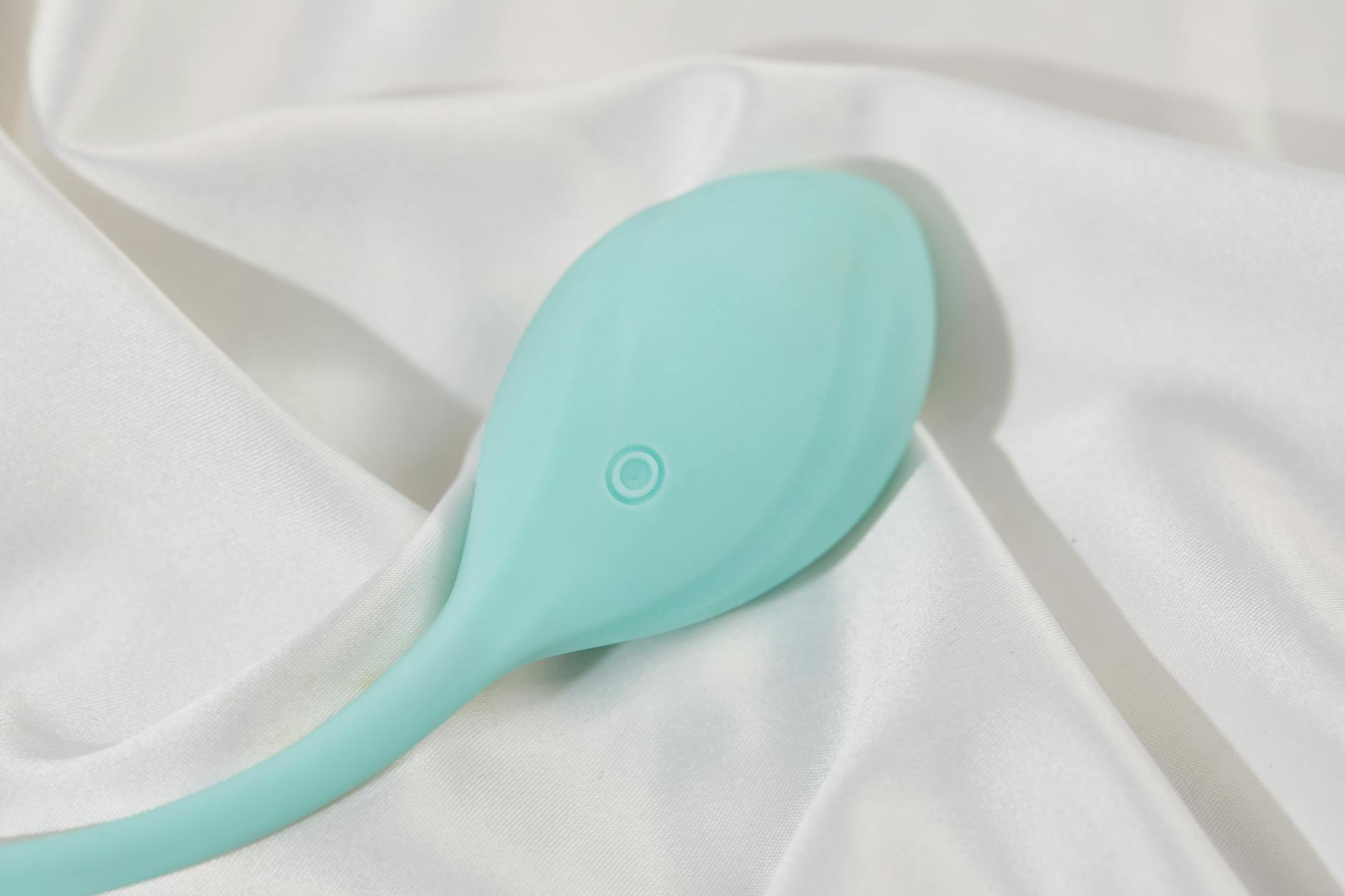
Why Lemon Vibrators Improve Orgasm Intensity After Menopause
Estrogen drops, tissue thins, and everything changes. But air-suction technology works better with your postmenopausal body than traditional vibrators ever did.
Menopause doesn't kill your capacity for orgasm. But it does change how your body responds to stimulation, and most people don't understand the mechanics well enough to adapt. The result? Years of assuming pleasure is gone, when really you just need different tools.
This is where lemon vibrators and air-suction technology become genuinely useful. Not as a gimmick, but as a physiological match for what's actually happening in your body.
When estrogen drops during menopause, several things happen at once. The vaginal and vulvar tissue becomes thinner and less elastic. The clitoris itself doesn't shrink, but the surrounding tissue does, which changes how directly you feel stimulation. Blood flow to the genital area takes longer to peak. The pelvic floor muscles lose tone and, paradoxically, can become either too tight or too lax.
Traditional vibrators apply direct mechanical pressure to thin tissue. For some people postmenopause, this starts to feel uncomfortable or even painful after 10-15 minutes. The friction that felt amazing at 35 can feel raw or irritating at 55.
Here's what lemon vibrators do differently. Air-suction technology (the core mechanism in devices like the Lem) creates a gentle seal over the clitoris and then releases pulses of pressure. You're not grinding against delicate tissue. Instead, you're activating the nerve endings through rhythmic suction and release. The sensation is more distributed across the entire clitoral complex, not focused on one pressure point.
Your clitoris has roughly 8,000 nerve endings concentrated in the glans. But the clitoral body extends up and back inside your vulva, forking into two wings that wrap around the vaginal opening. Most traditional vibrators stimulate only the external tip. Suction pulls the entire clitoral structure into the device, activating nerves along the whole system.
For postmenopausal bodies, this matters because:
First, you get sensation without friction damage. The suction creates a kind of gentle vacuum around the tissue rather than rubbing directly against it. For people dealing with any degree of atrophy or sensitivity, this feels worlds better.
Second, the sensation builds differently. Suction stimulation triggers a different neural pathway than vibration. Many of my clients report that orgasms from suction feel more intense and more localized, even though they're not using higher vibration speeds. The physiology is different, so the pleasure signature is different.
Third, you get a wider margin for comfort. Traditional vibrators have an intensity sweet spot that's narrow. Too low and nothing happens. Too high and it becomes uncomfortable. Lemon vibrators with adjustable suction patterns let you explore a wider range without pain.
Here's what people ask me most: "Will I feel more, or just differently?"
Both. And the "differently" part is usually pleasant surprise.
After menopause, orgasms often become shorter and less rhythmic. You might notice fewer contractions or contractions that feel more subtle. This is partly hormonal (less oxytocin surge) and partly anatomical (pelvic floor changes). It's not weakness. It's just a different pattern.
But intensity is not the same as frequency of contraction. A shorter orgasm can feel more concentrated. A lot of postmenopausal clients tell me their orgasms feel sharper, almost more focused, even if they last less long. And because suction technology engages more of the clitoral network, the intensity can actually increase even as the overall duration shifts.
That's not universal. But it's common enough that lemon vibrators have become a default recommendation for women navigating this transition. The device isn't doing something magic. It's just mechanically better suited to the tissue you have now.
If you've been using a standard vibrator for years, switching to a lemon vibrator is like switching from an old flip phone to a smartphone. The basic function is the same, but the experience is different.
For one thing, you'll probably need more time. Suction builds arousal more gradually than direct vibration. That sounds like a downside, but most people appreciate the slower build. You're less likely to over-stimulate. You have more control over the intensity arc.
You might also find that warm-up time matters more. A traditional vibrator can sometimes compensate for low arousal through sheer stimulation. Suction technology works best when you're already somewhat engorged. So budgeting 15-20 minutes for foreplay becomes non-negotiable, not optional. That's actually an advantage for most couples, because it brings back a phase of sex that often gets skipped in longer partnerships.
Lubricant is still essential. Even though suction creates its own moisture environment, adding water-based lube helps the seal feel more comfortable and lets you use it longer without any friction sensation.
Understanding the anatomy helps explain why you feel what you feel.
The clitoral glans (the external tip) has the highest density of nerve endings, but also the most sensitivity to pressure. This is where traditional vibrators concentrate stimulation, which is why they can become overwhelming. The clitoral body and wings have fewer nerve endings per square millimeter, but they're spaced across a larger area. Suction pulls the glans into the device gently, then stimulates both the glans and the surrounding tissue through the pressure changes.
You're activating the entire pleasure network at once, rather than overwhelming one sensitive point. Most people experience this as more nuanced. You might feel the pulse at different points in your body. Some cycles feel like they're happening deeper inside. Others feel like they're at the surface. That variety is actually what many postmenopausal people are seeking after years of the same sensation pattern.
Hormone-driven pleasure isn't only about hormones. The brain matters enormously.
Menopause often coincides with a moment when many people stop performing for a partner and start exploring their own baseline preferences. If you've spent 30 years calibrating your pleasure around someone else's rhythm or expectations, finally discovering what you actually want can be profound. Some postmenopausal clients report that their orgasms feel more intense not because of the device, but because they're experiencing sex on their own terms for the first time.
A lemon vibrator becomes the tool that makes that exploration possible without pain or frustration. That psychological shift changes everything.
Some postmenopausal people experience vulvodynia or genitourinary syndrome of menopause (GSM), which is ongoing pain or burning. If that's you, a vibrator alone won't fix it, and in some cases, it might temporarily increase irritation. Talk to a menopause-trained gynecologist about topical estrogen therapy or other medical options first. Once the tissue is healthier, then lemon vibrators become a wonderful addition.
For everyone else, air-suction devices are gentler on sensitive tissue than traditional vibrators because there's no friction. But start low, add plenty of lube, and pay attention to how your body responds after use. If you notice redness or soreness 30 minutes later, ease back on the session length.
Yes, probably. Suction is a very different sensation than vibration. Most people need 2-3 sessions to understand what they're feeling and where the sweet spot is. By the fourth or fifth time, it becomes intuitive. That learning curve is normal and worth it.
No. A lemon vibrator can feel amazing regardless of whether you're on hormone therapy. That said, if you're dealing with atrophy so severe that any touch is painful, you'll benefit from treating that first. Otherwise, the device works independently of your hormone level.
Both. Some couples find that air-suction devices reduce performance pressure because they take the burden off a partner's technique. Others use them together as part of partnered sex. It's entirely up to what you and your partner enjoy.
It varies, but most people find it takes slightly longer to build arousal. The payoff is usually a more intense sensation and easier ability to have multiple orgasms. What you're trading is speed for quality and control.
The same risk exists with any vibrator. The way to mitigate it is to vary your stimulation patterns, take breaks between sessions, and alternate with non-vibrator touch. Suction technology actually makes this easier because it creates such a different sensation that your nervous system stays engaged rather than habituated.
That might signal a need to address other factors: stress, relationship dynamics, medications that affect desire, or simply needing a longer warm-up period. The device is one tool. Sometimes the other work is the bigger piece. A therapist or menopause specialist can help you tease apart what's what.
Menopause changes how your body responds to pleasure. It doesn't end it. And honestly, for many people, discovering lemon vibrators and air-suction technology during this phase becomes a gift. You get to rebuild your pleasure life with technology that actually matches your body's current state, rather than forcing yourself to use devices designed for someone else's anatomy.
Your best sex might genuinely be ahead of you. You just need the right tool and a willingness to explore something new.