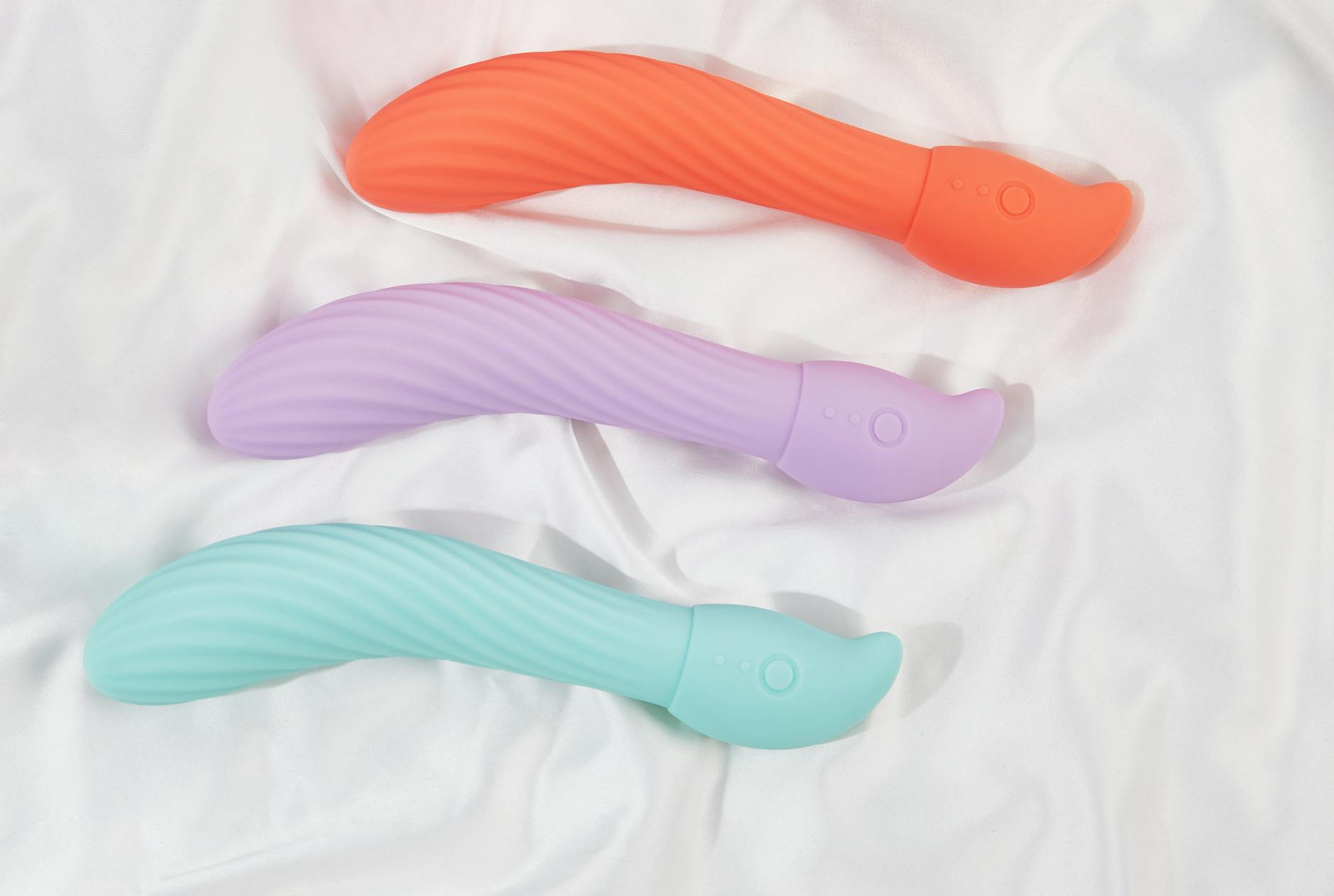
Why Lemon Vibrators Work Better During Postpartum Recovery
Your body went through something enormous. Here's why suction vibrators are gentler, safer, and often more satisfying than traditional toys when you're healing.
Let's be real. The first time you think about sex after having a baby, your brain does this weird thing where it simultaneously wants it and absolutely doesn't want it. Your body feels like it's been through a construction zone. Everything is tender, everything feels different, and the thought of anything touching the area remotely feels like a nope.
But here's what surprised me after years of working with postpartum people: when they do decide to explore pleasure again, the tool matters wildly. And suction vibrators like the Lem actually work better during this phase than traditional vibrators. Not because of marketing. Because of physiology.
Your vulva and vaginal tissue have just spent months under hormonal siege and then endured either a vaginal delivery (which stretches and sometimes tears tissue) or a cesarean (which means surgical recovery on top of hormonal collapse). Either way, your pelvic floor is essentially a bruised muscle learning how to function again.
Tissue is swollen. Sensation is weird. Some areas feel numb, others hypersensitive. Hormones have tanked. If you're breastfeeding, prolactin levels stay elevated, which further suppresses estrogen and means less natural lubrication. It's the opposite environment for traditional vibration, which requires direct friction and speed to work.
The lemon clitoral vibrator, by contrast, uses suction and gentle pulsing instead of rapid vibration. It doesn't require friction. It doesn't need speed. And for a postpartum body, that's everything.
Traditional vibrators work by applying rapid, direct pressure to the clitoris. Your postpartum body has swelling, scar tissue if there were tears, and nerves that are honestly just irritated and want to be left alone for a bit.
Suction creates a seal and draws tissue upward into a chamber. The stimulation comes from the gentle pulsing within that chamber, not from friction against the external tissue. Think of it like the difference between rubbing a bruise (ow) and gently supporting it (relief).
The Lem works particularly well because you control the intensity. You can start at setting one, which is barely-there pressure, and work up at your own pace. No jarring, no pressure to perform at someone else's rhythm, no surprise intensity. Just gentle, consistent, rhythmic sensation.
Postpartum sex is weirdly complicated because your brain is also healing. You're sleep-deprived. Your sense of identity has shifted. Your body doesn't feel like yours. And if there were birth complications or trauma during delivery, there's often anxiety layered on top.
When you're using something that feels gentle and non-threatening, your nervous system doesn't spike. You're not bracing for intensity. You can actually relax, which is the prerequisite for pleasure. A lemon suction vibrator doesn't demand anything of you. It just offers sustained, safe sensation. That permission to go slow is often the biggest gift.
Here's something I see over and over: people who had vaginal tears, episiotomies, or cesarean incisions often avoid pleasure entirely for months because they're terrified of disrupting healing. This actually backfires. When you avoid the area, scar tissue can become restrictive. Sensation stays locked down.
Gentle, early exploration with something like a lemon clitoral vibrator can actually support healing by increasing blood flow and preventing adhesions in scar tissue. The suction creates gentle traction without friction, which helps tissue remodel rather than tighten up. You're not forcing anything. You're coaxing your body back online.
The key is starting at the lowest setting, using plenty of water-based lubricant (even though you might not feel like you need it, the tissue genuinely does), and stopping immediately if anything feels like pain rather than sensation.
Don't get me wrong. Traditional vibrators are fantastic. I love them. But they're designed for people whose tissue is neither swollen nor recently traumatized. They typically require three things postpartum bodies struggle with: direct pressure, speed, and the ability to access good sensory feedback through irritated nerves.
You end up either feeling nothing (because swelling has numbed sensation and speed isn't enough) or feeling overstimulated and sore. It's a lose. A lemon sexual toy sidesteps all of that because it's working with your postpartum anatomy, not against it.
I've had clients tell me they felt nothing with a traditional vibrator weeks postpartum, then tried a suction vibrator and were shocked at the sensation. The difference wasn't motivation or desire. It was the tool being well-matched to their body's actual state.
Most people get medical clearance for penetration at around 6 weeks postpartum. External stimulation, however, is usually fine much earlier, around 3 to 4 weeks for vaginal delivery, a bit longer if you had complications. This is where a lemon clitoral vibrator shines. You can explore and reconnect with sensation long before traditional toys would be comfortable.
I usually recommend waiting at least 2 to 3 weeks even for suction, depending on your delivery and recovery. Then starting at the absolute lowest setting, using this as a reconnection tool rather than a performance tool. You're not trying to come. You're remembering what pleasure feels like in a body that's been through something.
This early exploration, done gently, is actually protective. It normalizes touch to the area. It helps your nervous system integrate the changes. It prevents the shutdown that comes from fear and avoidance.
When you do start exploring with a lemon suction vibrator postpartum, four things make it better:
Water-based lube, always. Even if you don't think you need it. Your tissue is drier than usual. Lube makes everything safer and more comfortable.
Use the lowest setting first. Not because you're delicate, but because postpartum swelling has changed your baseline sensation. What felt gentle before might feel intense now. You're recalibrating.
Focus on external only. You don't need to be ambitious. The clitoral stimulation from a suction vibrator is often more than enough. Avoid the temptation to expand into the vagina until your body clearly wants that.
Stop if there's pain, not just discomfort. Sensation that feels weird or intense but not painful is usually fine. Actual pain means stop. Your body's still healing and you don't want to disrupt that.
Postpartum intimacy with a partner gets complicated because their timeline is different from yours. They might feel ready long before you feel anything resembling desire. A lemon clitoral vibrator can actually help bridge that gap, not by forcing desire, but by creating a space where pleasure feels possible again.
Using it solo first, in private, on your own timeline, means you're not performing. You're genuinely reconnecting. Then, when you want to include a partner, you've got clarity on what feels good. That's how you avoid resentment and pressure and actually rebuild sexual connection that feels mutual.
Postpartum bodies don't need to jump back into sex. They need permission to move slowly, reconnect gently, and remember that pleasure is still possible. A lemon suction vibrator makes that possible.
If you're feeling sharp pain, increased bleeding, or discharge that seems off, pause exploration and call your provider. Sometimes bodies need more time. Sometimes there's an infection or complication you need to know about. Your instinct to go slow is your friend. Trust it.
The same goes if you're healing from a cesarean. External stimulation is usually fine, but pay attention to your scar site and how your body feels. Some people are ready weeks earlier than others. There's no normal.
Your sexuality didn't disappear when you gave birth. It recalibrated. And tools that work for non-postpartum bodies often don't work during recovery because they're not designed for your actual physical state. A lemon clitoral vibrator, with its gentle suction and adjustable intensity, actually meets postpartum anatomy where it is. It's not a workaround. It's the right tool for the job.
Most healthcare providers clear external stimulation around 3 to 4 weeks postpartum with vaginal delivery, a bit longer after cesarean. But "cleared" doesn't mean "ready." Listen to your body. If tissue is still swollen or tender, wait. If you want to start exploring at 3 weeks and it feels good, that's fine too. There's no universal timeline. Start low and go slow when you do begin.
Not if you're using it externally and gently. The suction motion can actually help with scar tissue mobility by increasing blood flow without creating the friction that tight, repetitive vibration would. But start at the lowest setting, use plenty of lubricant, and stop if anything feels sharp or painful. Weird sensation is usually fine. Pain means pause.
Swelling and hormonal shifts numb sensation temporarily. That doesn't mean nothing will ever feel good again. It means your postpartum body needs time. Try using it regularly at low settings for a few minutes, even if you feel nothing. You're building neural pathways and helping swelling go down. Sensation usually returns within weeks. And if it doesn't, mention it to your doctor.
Completely normal. Your nervous system has been through a lot. Your body has been through a lot. Pleasure can bring up grief about the body you lost, anxiety about whether things still work, or just exhaustion because you're running on three hours of sleep. All of that is valid. Go slow. Take breaks. Consider exploring with a therapist if anxiety feels big.
Yes. Breastfeeding suppresses estrogen, which means less lubrication and sometimes less sensation, but suction vibrators account for that. You might need more lube than usual, and you might need to go slower. But there's nothing physically unsafe about it. If you're worried about anything, ask your provider.
Not if you're using something gentle and external. Suction vibrators aren't creating the repetitive tension that can weaken pelvic floor recovery. If anything, they can help because good blood flow supports healing. Actual pelvic floor exercises and potentially physical therapy are what protect your recovery most. A gentle vibrator is just a tool for reconnecting with sensation.