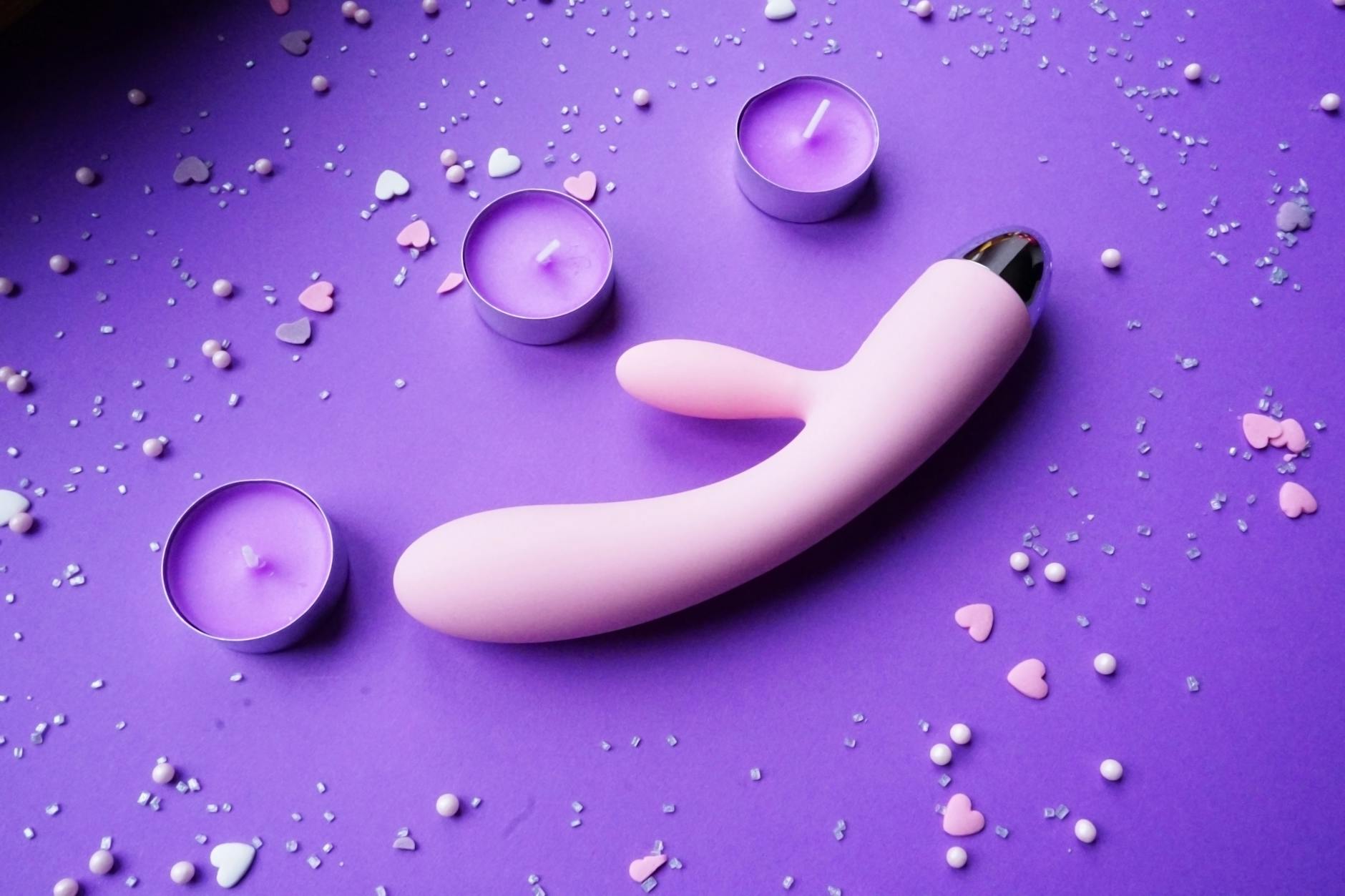
Why Women Prefer Suction Vibrators Over Traditional Vibration
Suction and vibration hit completely different nerve pathways. One builds sustained intensity, the other chases quick peaks. Here's what your body is actually telling you.
Suction feels nothing like vibration. I know that sounds obvious until you actually experience both, and then it becomes the kind of thing you can't unknow. Vibration is fast percussion. Suction is sustained pressure with a slow release, almost like something is gently drawing energy up and outward. Your nerve endings read them as completely separate conversations.
This matters because a lot of people compare suction vibrators to traditional vibrators as though they're cousins in the same family. They're not. They're different tools for different neurological pathways, and understanding that difference changes how you think about what works for your body.
A traditional vibrator creates rapid oscillations, usually between 2,000 and 10,000 cycles per minute depending on the strength setting. Your clitoris has around 8,000 nerve endings packed into a space smaller than a pea. When those oscillations hit, they activate what's called "rapid adaptation." Your nerve endings literally get used to the sensation and stop reporting it as intensely.
This is why people often describe vibration fatigue. It's not laziness or desensitization in the clinical sense. It's physiology. Your nervous system is wired to notice change more than sustained input. When vibration stays constant, your nerves eventually treat it like background noise.
The solution most people reach for is higher intensity. Stronger vibration. But that's like turning up the volume on a song you've already tuned out. It works temporarily, but the adaptation happens faster next time.
Suction vibrators like the Lem work through a completely different mechanism. Instead of jackhammer motion, they create rhythmic pressure and release. The stimulation is broader (it engages the entire clitoral complex, not just the glans), and the rhythm mimics patterns found in nature. Many people describe it as pulsing or waves rather than buzzing.
From a neuroscience angle, this matters. Suction activates slowly adapting nerve fibers that respond to sustained pressure and subtle changes in intensity. These are the same nerve types that light up during partner penetration, which is why many people find suction more similar to partnered sex than traditional vibration is.
The sensation also changes as you build arousal. Early arousal, the suction feels like persistent, pleasurable attention. Deep arousal, it feels like something is drawing sensation inward and then releasing it. Late arousal, when blood flow is maximal, the same tool feels almost liquid. Same device. Three completely different experiences.
This is not a "suction is objectively better" situation. It's more like asking whether you prefer guitar or cello. Some people's nerve endings genuinely prefer rapid vibration. Some have clitoral anatomy that responds better to direct, high-frequency buzz. Some have sensitivity issues where suction feels like too much surface area activation.
The honest thing is: people with thicker, less sensitive tissue often prefer vibration. People with thinner tissue or heightened sensitivity often prefer suction. But that's a correlation, not a rule. The only real way to know is to try both.
What I've seen in practice is that people who've been using traditional vibrators for years often don't realize how much adaptation is happening until they switch to suction for a few weeks and then go back. The vibration suddenly feels thin or one-note. That's not the vibrator failing. That's your nervous system telling you it's ready for a different type of stimulation.
Here's a practical difference that matters: vibration tends to create what I call a "spike" pleasure curve. Quick buildup, intense peak, sharp drop. Many people orgasm faster with vibration, but the sensation is narrower.
Suction creates more of a "wave" curve. Slower buildup, sustained intensity, gentler decline. You're less likely to orgasm in three minutes, but the sensation expands across your entire pelvic floor and lower belly.
Neither is better. But they support different desires. When you want quick release, vibration wins. When you want to explore sensation, build endurance, or experience full-body arousal, suction often delivers more.
Lot of people are shocked their first time using a lemon clitoral vibrator because they expect it to be "just a vibrator with a different motion." Instead, it feels like a completely different category of pleasure.
One thing I notice across clients is that suction feels more adaptable to tissue changes over time. If you're managing vaginal dryness or thinner tissue, suction doesn't require the same direct friction that vibration does. It's gentler on the surface while still being deeply stimulating.
Similarly, if you're dealing with numbness or reduced sensitivity, suction's broader activation pattern often breaks through where vibration plateaus. The sustained pressure creates a different type of nerve engagement that doesn't rely on rapid adaptation.
The people who report the richest pleasure experiences often use both. Vibration early in arousal to build momentum, suction as arousal deepens to extend and intensify the experience. Or vice versa. Or back and forth as they explore what feels right in the moment.
If you're new to this comparison, the honest experiment is: try suction for two weeks without switching back. Let your nervous system fully reset from vibration adaptation. Then revisit traditional vibration and notice the difference. You might discover you actually prefer vibration, or you might realize you've been chasing intensity when what you wanted was sustained sensation all along.
Your body knows the difference between suction and vibration. Nerve science backs that up. Neither is objectively superior. But they're different enough that saying "I prefer suction over vibration" is saying something specific about how your nervous system works and what type of pleasure builds best for you.
If you've only ever used traditional vibrators, you're missing a whole category of sensation. If you've only used suction, the same is true in reverse. The goal isn't to pick sides. It's to know your options and choose based on what your body is actually asking for.
Not universally, but for many people yes. Suction creates sustained stimulation that doesn't trigger rapid nerve adaptation as quickly as vibration does. Some people orgasm faster with vibration, but suction often produces more intense, full-body orgasms when you have time to build. The real answer is personal. Most people discover their preference by trying both and noticing which creates the sensation they're chasing.
Absolutely. Lots of people layer them. Vibration works well in early arousal to build momentum, and suction deepens and extends that arousal as you progress. You can also use them at different points in your cycle, since sensitivity changes. Some people alternate between them week to week as their body's responsiveness shifts.
It's rare. Suction doesn't rely on rapid oscillation, so it doesn't trigger the same nerve adaptation that creates buzzing numbness. That said, if you use the highest suction intensity continuously for 30+ minutes, some people report mild reduction in sensation. Varying intensity and taking breaks prevents this. Most people find suction more sustainable for longer sessions than vibration.
Partner stimulation usually combines pressure, movement, and subtle rhythm changes. Suction mimics that pattern much more closely than vibration does. Vibration is purely high-frequency movement. Suction adds the element of sustained pressure and pulsing release, which mirrors what happens during partnered penetration and foreplay. This is why many people find suction easier to incorporate into partner play.
Lem vibrators use suction technology, not traditional vibration. They create rhythmic pressure and release using what's called "pulsating pressure stimulation." If you've only used buzz vibrators, a lemon vibrator will feel like a completely different experience. Broader, more sustained, with different arousal buildup.
No. Suction uses gentler pressure than vibration and doesn't create the same repetitive stress on nerve endings. The concern people often have is about tissue damage, but suction actually causes less friction-related irritation than vibration does. As long as you use reasonable intensity and don't session for hours, suction is safe for regular use.
Your pleasure deserves to feel good in the way that makes sense for your body. That might be vibration, suction, or some combination of both. The point is knowing the difference so you can choose.