Why Lemon Vibrators Feel Different During Your Arousal Cycle
Your clitoral sensitivity shifts throughout the month. Here's what that means for using air-suction lemon vibrators and how to maximize sensation every single day.
Let's be real. If you've ever noticed that the same vibrator feels wildly different on different days, you're not imagining it. Your body's arousal capacity, clitoral sensitivity, and orgasm intensity shift throughout your cycle in measurable, predictable ways. And if you're using a lemon vibrator or any clitoral vibrator, understanding these shifts transforms how and when you use it.
I've worked with hundreds of people navigating pleasure and intimacy, and one pattern shows up constantly: they blame the device when the real story is hormonal. The device is fine. Your body is doing exactly what it's supposed to.
Roughly the first two weeks after your period, estrogen rises steadily. This phase is when your clitoris is at peak swelling and blood flow. Sensation feels amplified. Arousal builds faster.
For people using lemon clitoral vibrators during this window, this is when you can often handle higher intensity settings without discomfort. Your tissues are plump, well-supplied with blood, and responsive. Many people report that orgasms come quicker and feel more intense during this phase. If you're new to air-suction devices like the Lemon, the follicular phase is actually an ideal time to experiment and learn your preferences.
The catch? Don't assume this is your baseline. You're operating at peak capacity right now, which means chasing this feeling in other phases will leave you frustrated.
Right around day 14, estrogen peaks and testosterone surges. This is typically when desire feels strongest. The clitoris is at maximum engorgement. Sensation is sharp and direct.
This is the phase when people most often report that lemon vibrators, or any strong clitoral vibrator, feel almost too intense. Not in a bad way, but in a "I need to dial it back" way. If you find yourself needing lower settings than usual, or wanting shorter sessions, check the calendar. You're likely ovulating.
Honestly? This is also when partnered sex often feels best. Desire is highest, arousal is fastest, and orgasm is most accessible. If you're using a device solo during this time, go slower than you think you need to. Your body doesn't need as much stimulation to reach the same place.
After ovulation, progesterone rises and estrogen begins a slower decline. This phase lasts about two weeks, and it's where most people notice the biggest shift in how vibrators feel.
Clitoral sensitivity decreases slightly. Arousal takes longer to build. Orgasms feel deeper but less sharp. Many people describe the sensation during this phase as more internal, less surface-level. It's not worse; it's different. It requires a different approach.
Here's what I recommend: during the luteal phase, give yourself more time. Extend your warm-up. Start with lower intensity settings on your lemon vibrator and build gradually. Some people find that patterns with more variation feel better than steady-state vibration. The key is adjusting your expectations, not the device.
Programming matters here. If you're using a clitoral vibrator with multiple patterns, experiment. The pattern that felt perfect during ovulation might feel flat now. That doesn't mean anything is wrong. Your nervous system is just recalibrating.
During your period, hormone levels are at their lowest. Clitoral tissue is less engorged. Arousal might feel muted or harder to access.
Some people have zero interest in sexual activity during menstruation, and that's completely normal. Others find that orgasm helps ease cramping and feels surprisingly good. If you're in the second camp and want to use a lemon vibrator during your period, expect that you might need to give yourself more time and attention than usual. Longer warm-up, more patience, possibly more lube if cervical fluid is lighter.
The good news? This is when many people discover deeper, more internal sensations. The clitoris might be less reactive, but the pelvic floor and surrounding tissue can feel especially responsive to gentler, more sustained stimulation.
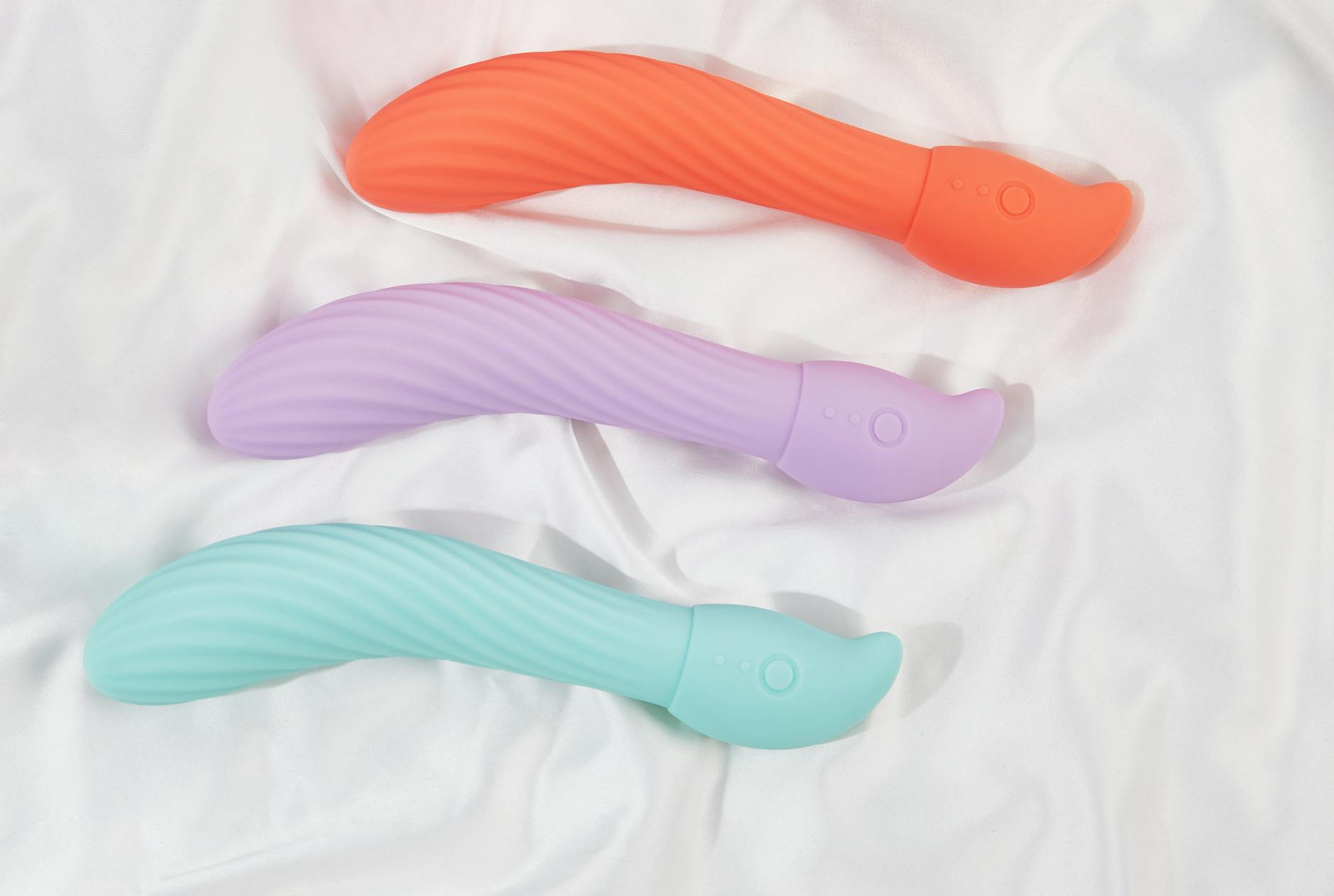
Air-suction clitoral vibrators like the Lemon work differently than traditional vibration. Instead of buzzing directly, they use gentle suction to stimulate the entire clitoral complex. This matters during cycle shifts because suction can feel more tolerable when sensitivity spikes.
During high-sensitivity phases (ovulation), the gentleness of suction often feels better than direct vibration. You get intense sensation without harsh contact. During lower-sensitivity phases (menstruation, late luteal), you might layer suction with a fingers or a partner's touch to amplify sensation.
The versatility of a lemon vibrator means you're not locked into one experience. You can adjust intensity, combine it with other stimulation, or use it for shorter sessions. That flexibility is actually a huge advantage when your body is cycling through hormonal changes.
Here's my practical suggestion: keep notes for three months. Not a journal, just quick check-ins. On days you use any clitoral vibrator, jot down the phase of your cycle, how long warm-up took, what intensity felt good, how the orgasm felt, and whether anything surprised you.
After three cycles, patterns emerge. You'll see exactly when you need to adjust. You'll stop blaming the device. You'll start planning around your body's rhythm instead of fighting it.
Most people find that once they understand their cycle, pleasure becomes more accessible, not less. You're not chasing one mythical "perfect" setting anymore. You're working with your body's actual biology.
If you're using lemon vibrators with a partner, communication becomes even more important. "I'm in my luteal phase and I need a slower build" is completely different from "this isn't working anymore." One is information. The other sounds like rejection.
Many couples find that planning intimate time around peak sensitivity phases actually deepens connection. It's not clinical. It's the opposite. It's prioritizing pleasure and presence instead of defaulting to routine.
For people in longer relationships, this knowledge often reignites desire. You're not stuck in one pattern. You're adapting, learning, exploring together. That's the opposite of boring.
Not everyone menstruates on a 28-day cycle. Some people skip months. Some are on hormonal contraception that suppresses ovulation entirely. Some are post-menopausal or have other hormonal variations.
If that's you, the cycle-based framework might not apply directly. But the broader principle still holds: your clitoral sensitivity and arousal capacity fluctuate. You might notice patterns tied to stress, sleep, or other factors instead of menstruation. Pay attention to those patterns the same way.
If you're on hormonal contraception, you might find that clitoral sensitivity is more stable throughout your month. That's not better or worse, just different. It means you might be able to dial in a consistent approach rather than adapting settings weekly.
For people using testosterone therapy or navigating other hormonal changes, sensitivity often increases. You might find that lemon vibrators feel strong pretty quickly. Starting lower and building up is the safest approach.
Your body is not broken when a vibrator feels different on Tuesday than it did on Friday. Your cycle is doing its job. The Lemon is doing its job. You're doing your job by paying attention and adjusting.
Most pleasure problems aren't device problems. They're expectation problems. Once you align your expectations with your actual physiology, everything shifts. Orgasms feel better. Sessions feel more satisfying. You stop wasting energy fighting your body and start enjoying it.
Your lemon vibrator is a tool that works best when you understand the landscape it's working in. That landscape changes every week. Learning to read it is the real skill.
Ovulation triggers a peak in both estrogen and testosterone, which causes the clitoris to swell maximally and blood flow to increase. Sensation is sharpest during this window. Using the same intensity settings as other phases can feel overwhelming. This is normal and not a sign that anything is wrong with you or the device. Lower the intensity setting or try shorter sessions during this phase.
Yes, absolutely. Some people experience no interest in sexual activity during menstruation, and that's fine. Others find that orgasm helps ease cramping and feels good. If you want to use a clitoral vibrator during your period, expect that arousal might take longer to build due to lower hormone levels. Give yourself extra time, use lubrication, and start with lower intensity settings. The sensation might feel different, but that doesn't mean it's worse.
Yes. Hormonal contraception that suppresses ovulation keeps hormone levels more stable throughout the month, so clitoral sensitivity tends to be more consistent. You might not experience the dramatic swings that people with natural cycles do. Some people find this liberating because they can settle into one preferred setting. Others miss the variety. Neither is inherently better.
The hormone-based cycle framework might not apply directly, but the principle still holds: your sensitivity and arousal capacity shift based on hormonal and non-hormonal factors. You might notice patterns tied to stress, sleep quality, relationship dynamics, or other variables instead. Pay attention to those patterns and adjust your lemon vibrator use accordingly. Cycle tracking apps aren't your only tool for understanding your body.
During the follicular and ovulation phases, higher estrogen and testosterone create sharper, more localized orgasms. During the luteal phase, lower hormone levels and a softened pelvic floor often create deeper, more diffuse sensations that involve more of the pelvic region. Both are real orgasms. Neither is better. Different phases activate different nerve pathways and muscle patterns. Learning to appreciate the variation enriches your overall experience.
No. The solution is not avoidance but adaptation. Adjust intensity, duration, warm-up time, and technique based on the phase. You might also layer a lemon clitoral vibrator with other stimulation, like fingers or a partner's touch, to enhance sensation when arousal capacity is lower. Understanding why something feels different is the key to working with your body, not around it.
The research on clitoral sensitivity across the menstrual cycle is robust but often stays locked in academic journals. Much of what's in this post comes from clinical observation and direct feedback from the hundreds of people I've worked with in my practice. If you're interested in the peer-reviewed side, studies on clitoral engorgement, arousal, and orgasm across the menstrual cycle consistently show these patterns. The key takeaway is that variation is normal, measurable, and manageable once you understand it.